
Psychology Faculty
The Gordon psychology faculty members are deeply committed to students, psychology, and to the integrity of Christian faith and psychology. Members of the department are passionate and gifted teachers with many years experience in undergraduate education. Four members of the department have won Junior or Senior Distinguished Faculty Member of the Year Awards.
Faculty members seek to optimize student learning in and out of the classroom or laboratory. The department emphasizes interactions with study material and hands-on learning through lab courses, internships, and research projects. Students have the opportunity to participate in independent study, working closely with faculty members in an apprenticeship learning model. Psychology faculty challenge students to learn not just for themselves, but for God's sake and for the sake of His creation.
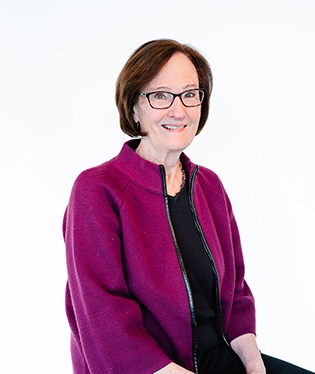
Kaye Cook
Professor of Psychology
Chair, Department of Psychology
Kaye Cook is interested in a range of developmental issues. Recently her work has focused on cross-cultural mixed methods studies that explore, for example, experiences of self and interpersonal forgiveness among Muslim and Christians in Indonesia and the U.S., the relationships among forgiveness, suffering, and grace among Christians in U.S. subcultures, everyday understandings of morality by Cambodian Buddhists and Christians, the ... more ➔

Kristelle Lavallee
Lecturer
Kristelle Lavallee Collins is the North American Lead of Youth Safety and Wellbeing Policy at TikTok. Ms. Lavallee Collins has co-authored numerous journal articles, book chapters and academic papers and her work has been presented at psychological, communications, and education conferences around the world. In addition to lecturing at Gordon, she is also an instructor of health communications at Tufts University. Prior ... more ➔

Susan Bobb
Professor of Psychology
Dr. Bobb joined the Gordon faculty in the fall of 2015, coming from Northwestern University where she had been a Research Associate working on the neural correlates of bilingual language processing and cognitive control. Dr. Bobb’s research program is broadly developmental, using both behavioral methods (e.g., eye-tracking; response times) and neuroscience methods (e.g., EEG) to investigate the process of learning a first or second language ... more ➔
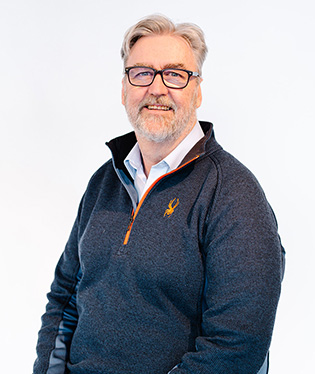
David Cook
Lecturer
David Cook has been working in clinical inpatient and outpatient environments since 2009. His clinical focus is on the treatment of sex offenders and survivors of sexual trauma. Current research includes the impact of religiosity on the assessment and treatment of pornography addiction, the integration of multicultural and social justice competencies into clinical supervision, addressing toxic shame in sex offender treatment, and how clinicians ... more ➔

Ryan Daley
Assistant Professor of Psychology
Before joining the Psychology Department at Gordon College in 2022, Professor Daley completed his Ph.D. in the Department of Psychology and Neuroscience at Boston College. His research focuses on how younger and older adults remember social and emotional information, and how this memory content relates to decision-making and judgments. One of the primary goals of this work is to determine how cognitive and motivational changes that occur across ... more ➔

Linnea Holtberg
Teaching Fellow
Professor Hultberg is interested in the efficacy of using non-traditional therapeutic spaces for counseling with a range of individuals as well as the intersection of psychology and faith. She has a background in group work with both adolescent and young adult populations and has presented research on neurological reactions to moral decision making at the Association for Psychological Science (APS) national convention. She has also studied crowd behavior, phone-checking behavior, interest in didactic therapy among grad students studying counseling, and motivators for studying counseling at a seminary. She is in the process of becoming a licensed mental health counselor (LMHC) while finishing her M.A. of Counseling at Gordon Conwell Theological Seminary.

Sarah Krass
Lecturer
Sarah is a graduate of Gordon's Social Work Program and received her Masters in Social Work from Salem State University and has her independent license in clinical Social Work. She has worked in community-based mental health and private practice with a focus on children, adolescents and families. She began teaching in 2011 and came back to Gordon in 2015. When not teaching she enjoys being at home with her three children ... more ➔
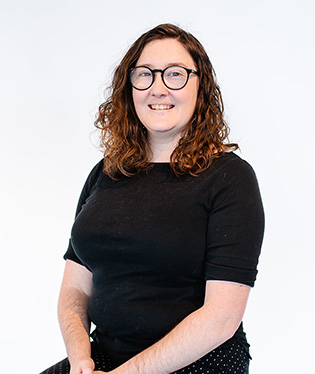
Alexis Lambert
Lecturer
Alexis taught special education to middle and high school aged students for nearly ten years. During her time in the classroom, Alexis worked in both sub-separate clinical school settings and local public school systems. She has worked with students with a wide range of disabilities and has a special expertise in Autism Spectrum Disorder, and emotional disabilities. Currently, Alexis serves students as an Academic Advisor at Khoury College of ... more ➔
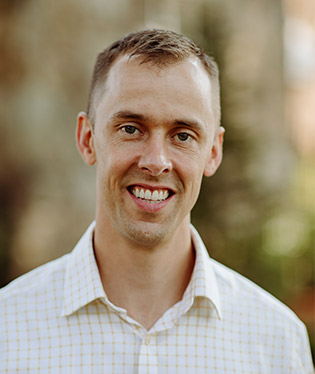
Daniel Norton
Assistant Professor of Psychology
Before coming to Gordon College in 2019, Professor Norton was a Visiting Assistant professor of psychology at Williams College, and previous to that he was a postdoctoral fellow at MGH, where he studied Alzhiemer's disease and practiced cognitive behavioral therapy in an outpatient clinic. As a scientist practitioner he does research on questions that are clinical in nature, and uses the scientific method in his clinical practice. In general, ... more ➔
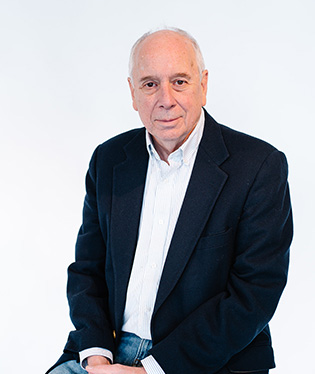
Glenn E. Smith
Lecturer
Glenn Smith has been a practicing marriage and family therapist for over 20 years, and prior to that, a teacher of psychology for 10 years in a private school in Pennsylvania. He has an M.A.with a concentration in Marriage and Family from Gordon Conwell Theological Seminary and enjoys incorporating theological concepts in counseling situations. His goal is to introduce students to a biblical framework while resolving contemporary issues with contemporary ... more ➔
 Psychology
 - Psychology Courses
 Psychology Faculty
- Psychology Outcomes
- Experiential Learning Inside and Outside the Psychology Classroom: Complementing, extending and expanding
- Psychology Minor
- First Year Psychology Students
- Psychology Department Newsletter
- Clinical Psychology Concentration
- Human Development Concentration
- Cognitive Neuroscience Concentration
- General Psychology Concentration
 Home
Home


Gordon College, 255 Grapevine Road, Wenham, MA 01984
978 867 4000 | [email protected] | [email protected]





- Apply Today
- Visit Campus
- Request Information
- Contact
- Directions/Map
- The Bell: News & Stories
- Jobs
- About
- Admissions & Aid
- Academics
- Student Life
- Faith
- Athletics
- Graduate Programs
- Giving
- Alumni
- Parents
- Student Links
- Human Resources
- Bennett Center
- La Vida
- Website Privacy
- Title IX
Gordon College is New England’s top Christian college, located on the North Shore of Boston in Wenham, MA.
© Copyright 2024. All rights reserved.
866-665-1780