
Biology Faculty
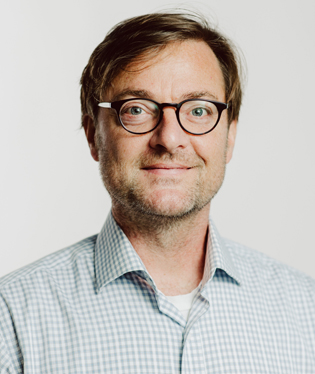
Gregory Keller
Professor of Biology
Chair, Department of Life, Health and Physical Sciences
Dr. Keller joined Gordon College in 2007 after teaching for five years at Eastern New Mexico University, where he was an Assistant Professor of Wildlife Ecology.
Essays written by Keller for a general audience include: "Denizens of the Autumn Air" and "A Sense of Shared (Avian) Presence." ... more ➔
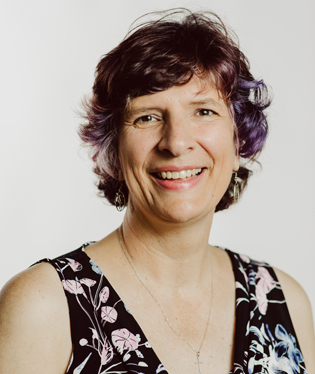
Dorothy Boorse
Professor of Biology
Dr. Boorse joined Gordon College in 1999 and has worked to bring a greater understanding of the complex interactions among wildlife and the environment to the Gordon Community and the wider world. Her primary research interests are in aquatic community ecology and invasive species. Dorothy also spends a great deal of time studying the integration of faith and science, particularly in the realm of environmental ethics. In the past several years ... more ➔
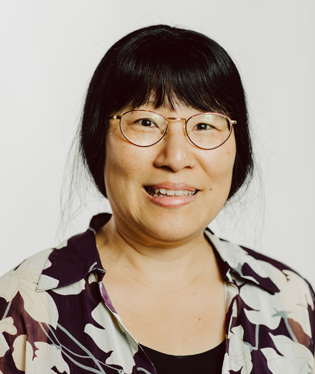
Evangeline Cornwell
Assistant Professor of Biology
Dr. Cornwell joined Gordon College in 2014. Her primary research involves understanding molecular signaling pathways leading to airway or gut remodeling in allergic diseases such as inflammatory asthma and eosinophil-driven gastrointestinal disorders. She was selected to participate in the fellowship program, “Bridging the Two Cultures of Science and the Humanities Part II,” sponsored by SCIO (Scholarship & Christianity in ... more ➔
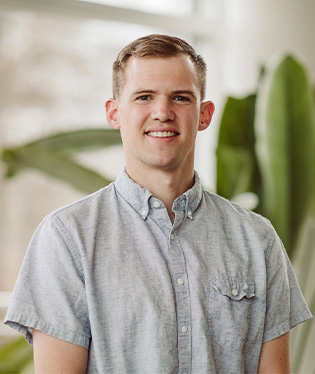
Sam Mason
Instructor of Data Science
With a background in ecology and biostatistics, Professor Mason is most interested in using bespoke probabilistic models to inform animal conservation. His current research focuses on the Monarch butterfly, combining large spatial datasets with greenhouse experiments to understand how habitat loss and pesticide use are driving population declines. Professor Mason is an R enthusiast and loves introducing students to the fundamentals of programming, ... more ➔
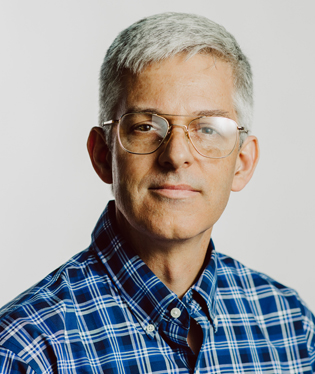
Craig Story
Professor of Biology
Health Professions Advisor (Premed Advisor)
My research interests have centered around immunology and molecular biology. In graduate school at Brandeis University, I cloned and studied the transporter protein, called FcRn, that carries IgG antibodies across the human placenta under Dr. Neil E. Simister.
Subsequent to my graduate work, new roles the antibody transporter have been discovered—it extends the serum ... more ➔
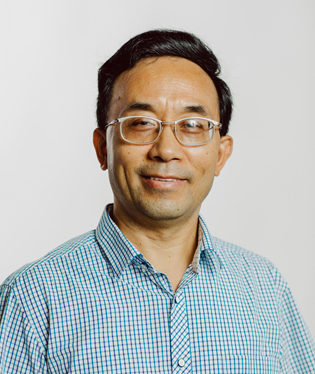
Ming Zheng
Professor of Biology
Dr. Yuanming Zheng joined Gordon College in 2002 with experiences in both academia and industry. His research focuses on plant biotechnology and crop breeding. He uses an immature pollen system he established to study the cellular and developmental events associated with somatic embryogenesis of plant cells. He has published numerous journal papers and book chapters on the subject. His more recent interests include the ethical, legal, social, ... more ➔
 Biology
- Biotechnology Concentration
- Ecology and Conservation Concentration
- Marine Biology Concentration
- Professional Biology Concentration
 Biology Faculty
- Biology Grad Profiles
- First-year Biology Students
- Human Biology Concentration
- Biology Major Courses (B.A.)
- Biology Major Courses (B.S.)
- Biology Minor Courses
 Home
Home


Gordon College, 255 Grapevine Road, Wenham, MA 01984
978 867 4000 | [email protected] | [email protected]





- Apply Today
- Visit Campus
- Request Information
- Contact
- Directions/Map
- The Bell: News & Stories
- Jobs
- About
- Admissions & Aid
- Academics
- Student Life
- Faith
- Athletics
- Graduate Programs
- Giving
- Alumni
- Parents
- Student Links
- Human Resources
- Bennett Center
- La Vida
- Website Privacy
- Title IX
Gordon College is New England’s top Christian college, located on the North Shore of Boston in Wenham, MA.
© Copyright 2024. All rights reserved.
866-665-1780